Battery Electric vs Gas Vehicles: Which one is right for you?

Jun 09, 2026

Today, there are more battery electric vehicles on the road than ever before. That may lead you to wonder about the benefits of battery electric vehicles (BEVs); how they differ from traditional gas vehicles, and whether this is the right choice for you. There’s a lot to unpack, but not to worry – Toyota can help answer some of these questions, and help bring clarity to the gas vs BEV differences to help you choose the best powertrain for your lifestyle.
 

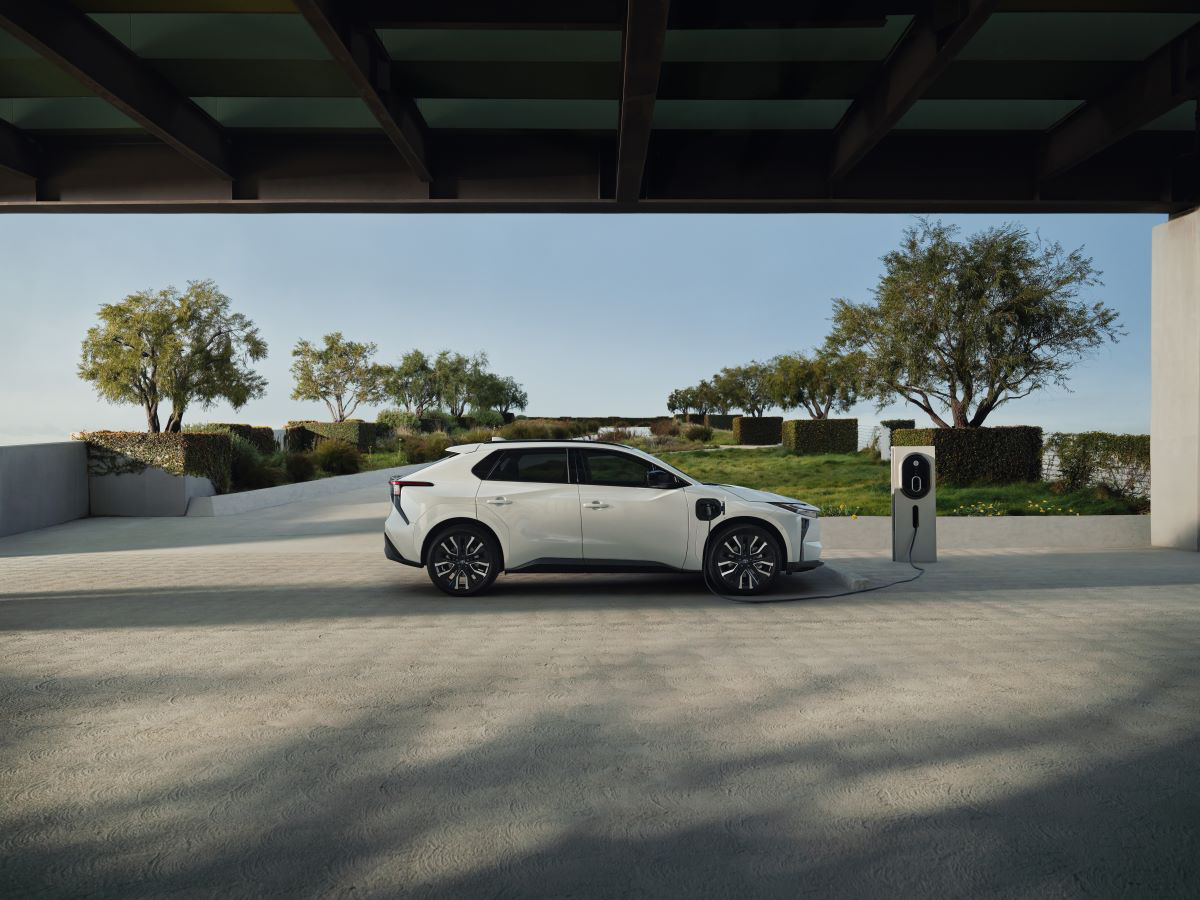
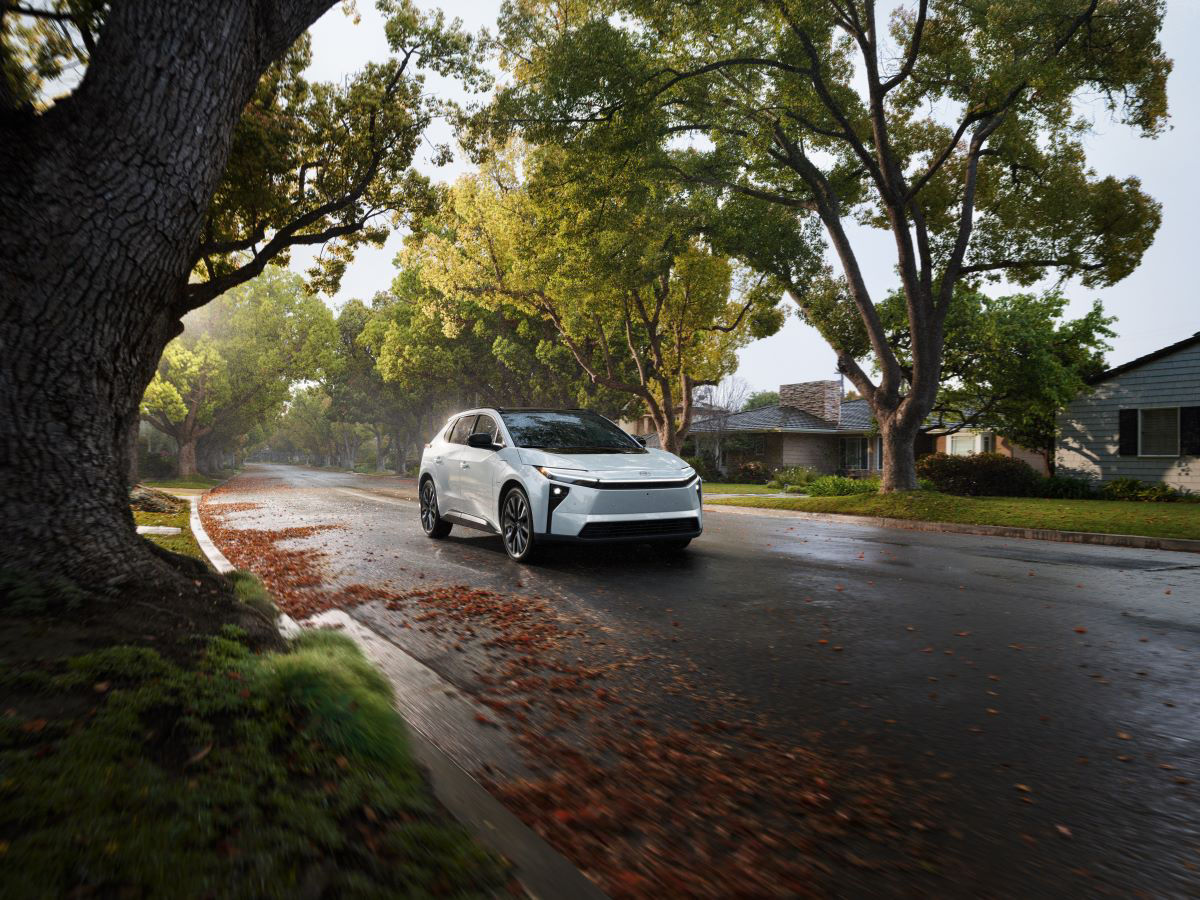
bZ electric SUV in white

Gas vs Battery Electric Vehicles: What Exactly is the Difference?


The main difference is that Battery Electric Vehicles (BEVs) use energy stored in onboard batteries to power one or more electric motors. In contrast, gas cars are powered by an internal combustion engine that uses gasoline.

Overall, Electrified vehicles come in different types, but they all share one key feature: they get some or all of their power from an electrified source. At Toyota, we believe that different needs require different solutions, therefore Toyota has an Electrified powertrain to match every driver and lifestyle. Hybrids Vehicles (HEVs) use both a gas engine and electric motor to power the vehicle, and they don’t need to be plugged in. Plug-in Hybrid Vehicles (PHEVs) are similar to hybrids, they have a gas engine but have a larger battery that can be plugged in to charge, providing dedicated EV range and more power than hybrids. Battery Electric Vehicles (BEVs) are powered by electricity, and you must plug in the vehicle to charge it before you can drive.

Cost of Ownership


The cost of owning a battery electric vehicle vs a gas vehicle depends on a range of factors such as:

  • Vehicle type and purchase price
  • Energy or fuel costs
  • Maintenance costs
  • Driving habits
  • Available incentives

Ultimately, total ownership costs differ widely by location and from one driver to another, making it important for drivers to consider what fits best for their situation.

Often, electric vehicles may seem more expensive upfront, because the initial cost of an EV is typically higher than a similar gas-powered vehicle. However, EVs often wind up costing less in the long run. Electric vehicles may qualify for government rebates or incentives such as the Electric Vehicle Affordability Program (EVAP) [1].  But most importantly, EVs cost less to run than gas does. In fact, charging your EV at home during off-peak hours can be more cost effective than charging in public, or fueling a vehicle that requires gasoline. So, you potentially save kilometre after kilometre with electric, all while helping to reduce your carbon footprint.

Charging vs Fueling


The main differences when it comes to charging a Battery Electric Vehicle or a Plug-in Hybrid Vehicle vs fueling a gas vehicle are time, infrastructure and convenience.

  • BEVs and PHEVs: Charging can have lower costs with additional home charging convenience. How long it takes to charge will depend on the size of the battery and the speed or Level of charging point, ranging from an average of 30 minutes for fast charging to several hours for Level 2 charging [2]. While charging can take longer than refueling a gas car, EVs can also be charged at home, taking advantage of lower electricity rates and overnight charging.
  • Gas Vehicles: These benefit from widely available gas stations and refueling speed. They can be refueled in just a few minutes at gas stations that are widely available, making them ideal for long trips and quick refueling stops. 
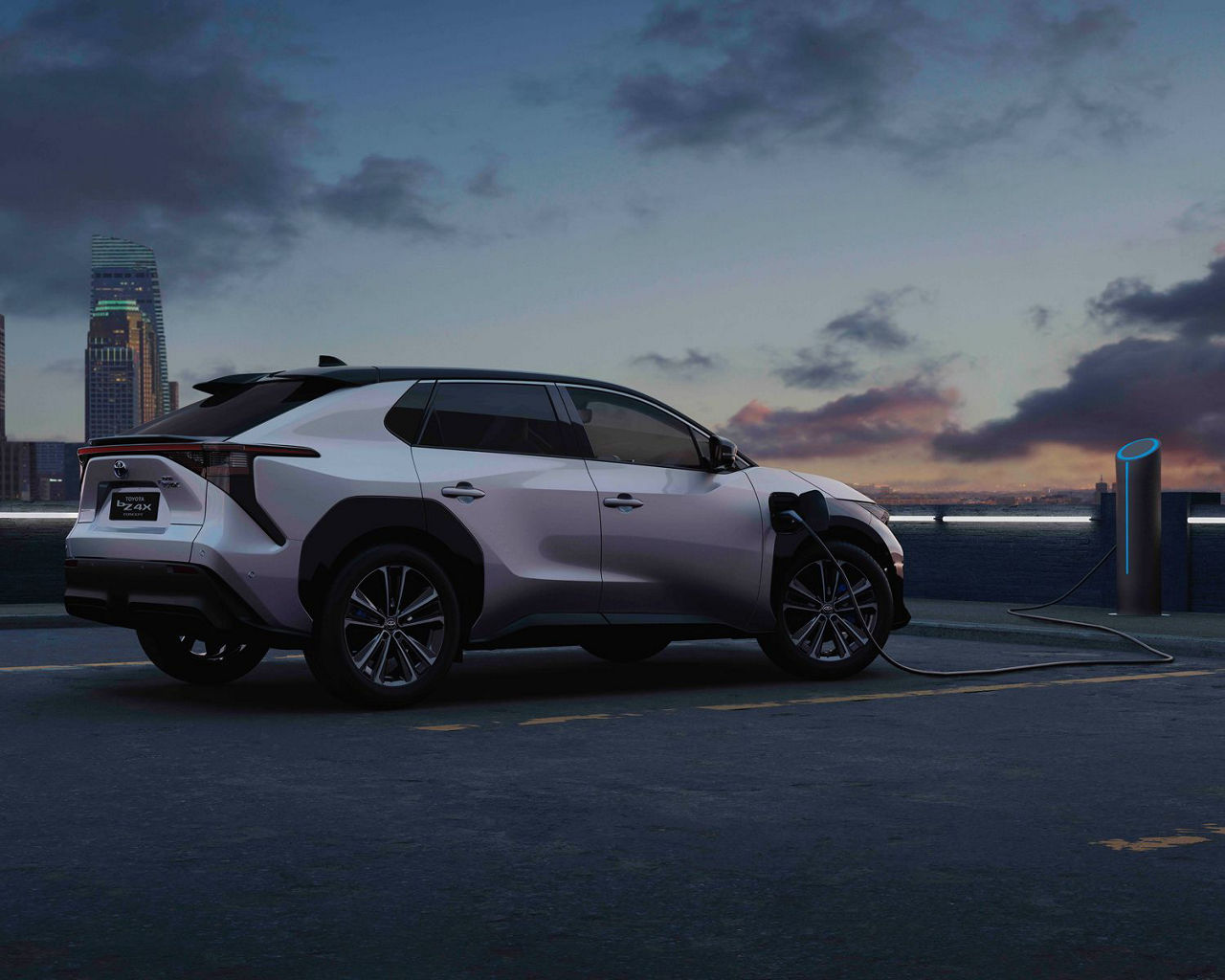
Toyota bZ charging port

How do Maintenance Costs Compare?


Servicing and maintaining your BEV is no more difficult than a gas vehicle. In fact, the maintenance schedules of both Toyotas’ gas and electric vehicles are the same - every 6 months or 8,000 km. Additionally, without a combustion engine or transmission, BEVs have fewer mechanical components. The regenerative braking in these vehicles reduces brake pad wear, further lowering service and maintenance costs compared to gas vehicles. However, EVs may experience increased tire wear due to heavier vehicle weight, instant torque, and regenerative braking, which can lead to tires wearing quicker than on comparable gas vehicles.

Maintenance costs on electric vehicles are often lower than on similar gas models. That said, EVs don’t require oil changes, spark plugs, or timing belts like gas powered vehicles do. Over time, that can add up to real savings. Not to mention, you’ll never see the oil light come on your dashboard ever again!

Additionally, Toyota BEVs come with additional Limited Warranty Coverage[3] on top of the basic Toyota warranty.

BEV Driving Performance vs Gas


There’s a bit of a misconception that battery electric vehicles don’t have the performance of gas vehicles. Here are the facts: EVs offer instant torque for faster acceleration, the moment you press the accelerator, the inverter sends power to the motor for smooth, responsive acceleration. With the traction battery positioned low in the vehicle, you also benefit from a lower centre of gravity, delivering a smooth drive and better handling. 

Can Battery Electric Vehicles Tow?


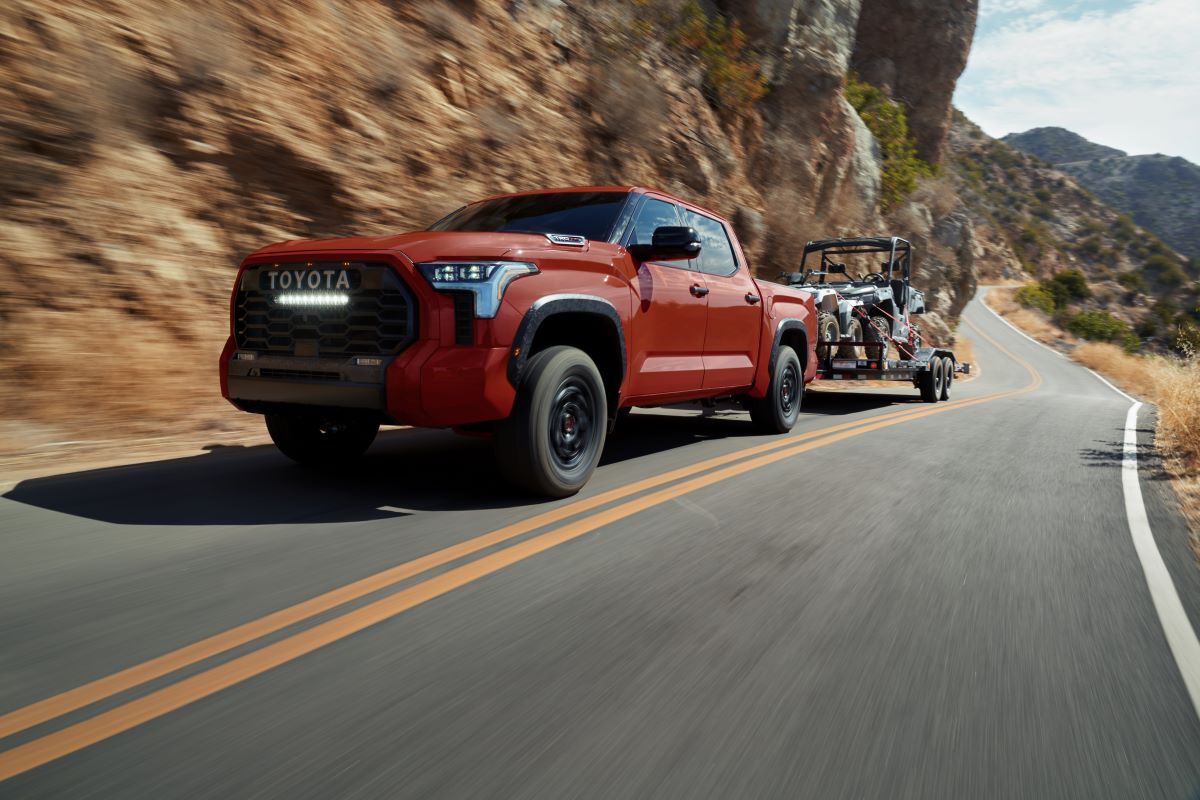
As it turns out, some BEVs can pull their weight in more ways than one. Electric vehicles now have the towing capacity required to pull heavy loads. Take the new 2026 Toyota bZ Woodland, this electric SUV can haul up to a maximum of 3,500 lbs[4] for short to medium distances.
 

toyota bz woodland exterior

So… Which Type of Vehicle is Right For You, a Gas Vehicle or a Battery Electric Vehicle?


Ultimately, the choice between a BEV and a Gas vehicle ultimately depends on how you live and what your daily routine looks like.

  • Choose a Battery Electric Vehicle if you want instant torque, smooth acceleration, and mostly drive predictable daily routes with access to charging stations at home, office or public EV charging stations.
  • Choose a Gas vehicle if you need lower upfront cost, frequent long trips, or live where charging infrastructure is limited.


To help determine which option best aligns with your needs, consider the following:

  • Are you in the market for a primary or secondary vehicle for your household?
  • Consider what the vehicle will be used for - is it commuting to work, neighborhood activities, and errands?
  • What's your average daily or weekly commute?
  • Do you have access to EV charging at home, or in your neighborhood?
  • How frequently do you take road trips?


Still unsure?
Explore our Powertrain Quiz to get a personalized recommendation based on your driving habits and preferences, to help you discover which option best suits your needs.

Electric vehicles are here to stay, and as you can see, they have benefits that are hard to ignore. When you’re looking for your next vehicle, consider all the facts and then consider Toyota, with its wide range of powertrain options that are available for every lifestyle. But don’t just take our word for it – book a test drive, or visit Toyota.ca to build and price a new vehicle, and find out for yourself!


Summary: Side-by-side comparison of Battery Electric Vehicles vs Gas Vehicles


CATEGORY


 BATTERY ELECTRIC VEHICLES (BEVs)

GAS VEHICLES (ICE)

Power Source

Run on electricity stored in batteries that power an electric motor.

Internal combustion engine powered by gasoline.

Charging / Fueling

- Charge at home, work or any EV public charging station.

- Growing network of EV charging stations across Canada.

- Refuel at gas stations.

- Network of gas stations are widely available and accessible.

Costs

- Depending on the vehicle, it may have a higher upfront price.

- You may be able to save on energy costs by charging at off-peak hours. Check with your energy company for available off-peak hour programs and rates.

- On average, lower upfront vehicle price.

- Higher refueling costs.

Maintenance

Toyota BEVs follow the same maintenance schedule as gas vehicles and can have lower maintenance costs due to fewer mechanical parts. However, BEV’s have higher than average tire wear requiring regular tire rotations to avoid tire degradation.

 Maintenance schedule is every 6 months or 8,000 kms. Which includes oil changes, exhaust, fuel system and engine service.

Performance

Instant acceleration, quiet drive, smooth performance.

Engine noise and vibration are part of the traditional driving feel.

Towing Capacity

Certain battery electric vehicles have towing capabilities. Best for occasional towing, short to medium distances from the  charging station.


Best for long-haul and heavy-duty towing, offering higher towing capacities with a wide range of trucks and SUVs designed for towing. 


Disclaimers:

[1] Rebate amount if purchased* - $5,000 for battery-electric vehicles. This new program encourages customers to buy or lease affordable electric vehicles (EVs) by offering incentives for transactions with a final value of $50,000 or less. For more information, please visit: https://tc.canada.ca/en/road-transportation/innovative-technologies/zero-emission-vehicles. *For qualifying transactions that meet the Electric Vehicle Affordability Program (EVAP) eligibility criteria. The Government of Canada EVAP provides an incentive towards the purchase or lease of a new clean energy vehicle. Click here to learn more about the Government of Canada EVAP, eligibility criteria, or visit your preferred Toyota dealer.

[2] Charge times are estimates only and can vary significantly based on numerous factors including external air temperatures (colder temperatures or extreme heat), charger type/condition, accessory use, and battery level and condition. DC charging times will increase as temperatures decrease, with significant increases possible at temperatures approaching and below freezing. DC Fast Charging for AWD vehicles should be limited to three sessions per day, regardless of external air temperatures. After three AWD 10-80% charge sessions, DC Fast Charging over the next 24 hr period may take longer and be less effective. Public charging experience will vary based on charger type and charger specifications (Level 2 or DC Fast Charger with 150 KW or above) and other factors including vehicle and environmental conditions. Charging times can also vary depending on the actual charging rate realized by the charging station, which can be highly variable and often below the maximum stated rate of charge. Toyota does not own or operate public charging stations and is not responsible for their availability or performance. Always plug-in/charge vehicle in accordance with Owner’s Manual.

[3] Battery Capacity warranty coverage is applied to battery capacity below 70% of original capacity

[4] Provincial towing laws may require the installation of towing brakes in order to safely tow. Before towing, confirm what laws affect you, and whether, if required, your vehicle can accommodate towing brakes. Make sure your vehicle and trailer are compatible, hooked up and loaded properly and that you have any necessary additional equipment. If gross trailer weight is above 5,000 lb (2,268 kg), it is necessary to use a weight-distributing hitch with sufficient capacity. Do not exceed any Weight Ratings and follow all instructions and cautions from your trailer-hitch manufacturer and in your Owner’s Manual. The maximum you can tow depends on base curb weight plus the total weight of any cargo, occupants, and added vehicle equipment. “Added vehicle equipment” includes additional standard/optional equipment and accessories added by the manufacturer, dealers, and/or vehicle owners. The only way to be certain of your vehicle’s exact curb weight is to weigh your vehicle without passengers or cargo.

If your vehicle is equipped with a kick sensor, installation of a tow hitch receiver or other accessories located near the rear bumper may require disabling or removing the kick sensor, and the sensor operation setting in your vehicle should be turned off. See Owner’s Manual for limitations.