Hybrid vs Plug-In Hybrid vs Battery Electric Vehicles: What's the difference?

Nov 02, 2026

Toyota believes in different mobility solutions for different mobility needs. For over 25 years, Toyota has been leading the movement towards a sustainable future, with more options of Electrified Vehicles than ever. Therefore, Toyota offers a variety of powertrain solutions, including Hybrid, Plug-in Hybrid and Battery Electric Vehicles, making it easier for drivers to choose the vehicle that best fits their lifestyle and driving needs.

Have you ever been interested in Electrified Vehicles but unsure of which powertrain is right for you? Electrified Vehicles can offer cutting-edge innovation with the ability to fit seamlessly in your life. Toyota’s Electrified Vehicle lineup of SUVs, sedans and trucks have the same dependability you’ve come to expect, so you can make the most out of any trip.


Electrified Powertrains Explained

What is a Hybrid Vehicle?


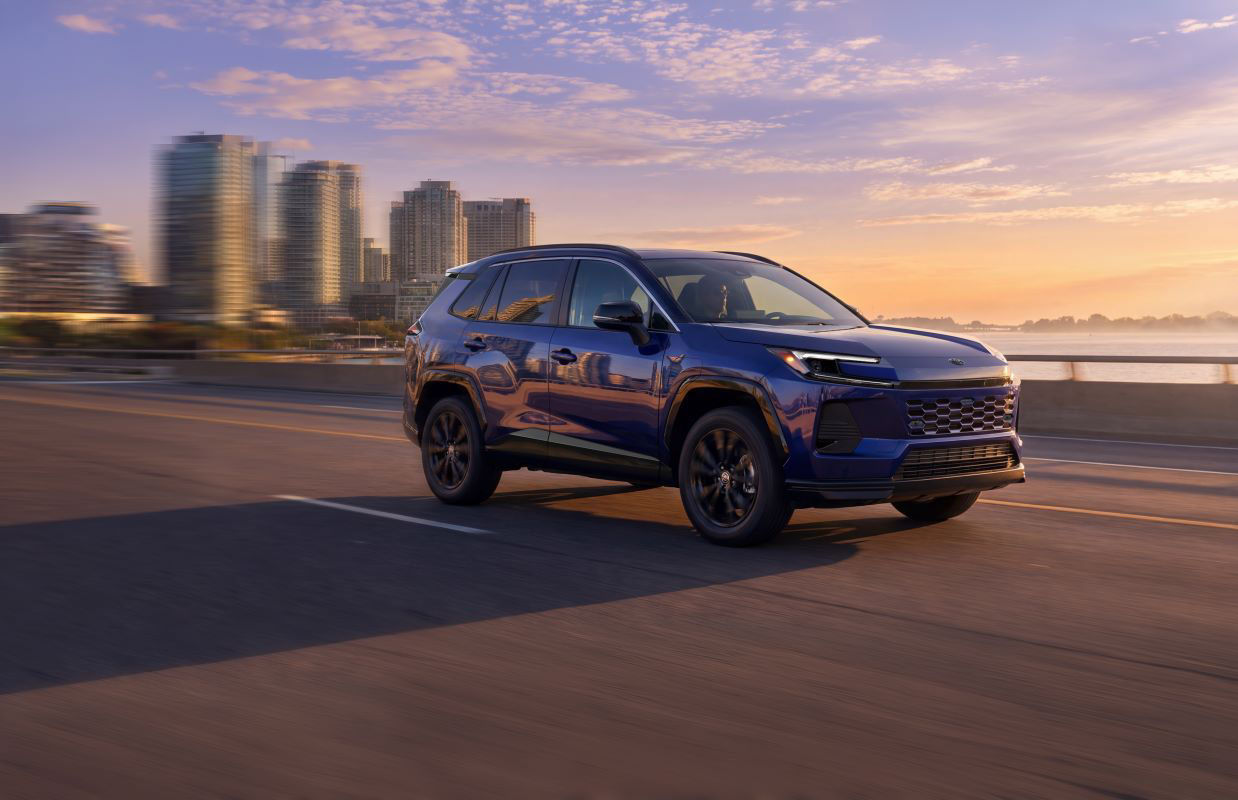
Combining the strength of two power sources, the Hybrid Electric Vehicle (HEV) uses a gas engine and an electric motor. The vehicle has the ability to automatically choose the best blend of power. Hybrid Electric Vehicles have the added convenience of not having to be plugged in to charge.

In the Toyota Hybrid lineup, HEVs offer the widest selection of available models, that includes the Prius, Corolla Hybrid, Camry, Crown, Corolla Cross Hybrid, RAV4, Crown Signia, 4Runner Hybrid, Highlander Hybrid, Grand Highlander Hybrid, Land Cruiser, Sequoia, Sienna, Tacoma Hybrid, and Tundra Hybrid.

Best choice: If you want to save on gas without changing your driving habits. A Hybrid Vehicle charges on the go, meaning you refuel at gas stations just like a traditional gas car.
 

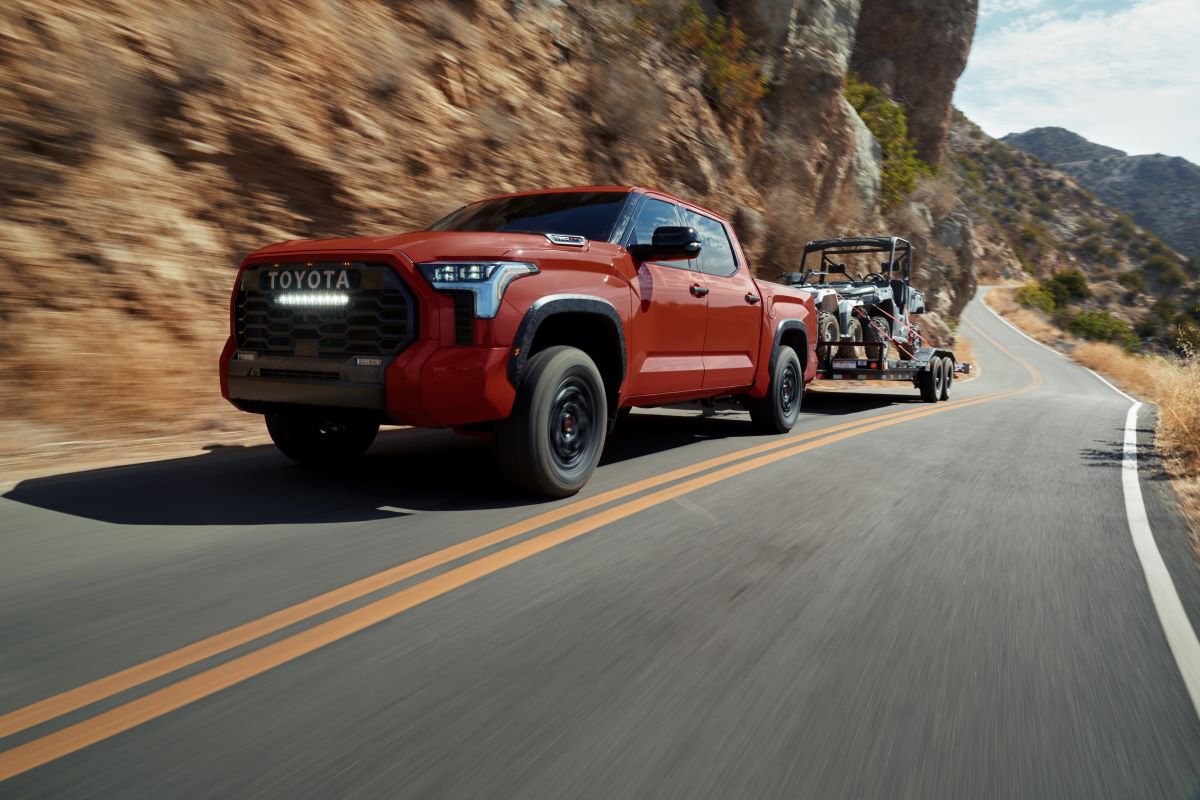
2026 Grand Highlander Hybrid Max Towing Boat

What is a Plug-in Hybrid Vehicle?


Plug-in Hybrid Electric Vehicles (PHEV) like the Prius Plug-in Hybrid or RAV4 Plug-in Hybrid are very similar to Hybrid Electric Vehicles (HEV), with the addition of a larger battery which allows you longer range and power than a regular HEV would use. To charge a Plug-in Hybrid Vehicle just plug it in, at home, at work, or at any Level 2 electric vehicle public charging station.

Best choice: If you have short daily commutes and can plug in overnight, while preferring a backup of a gas engine for longer road trips. 
 

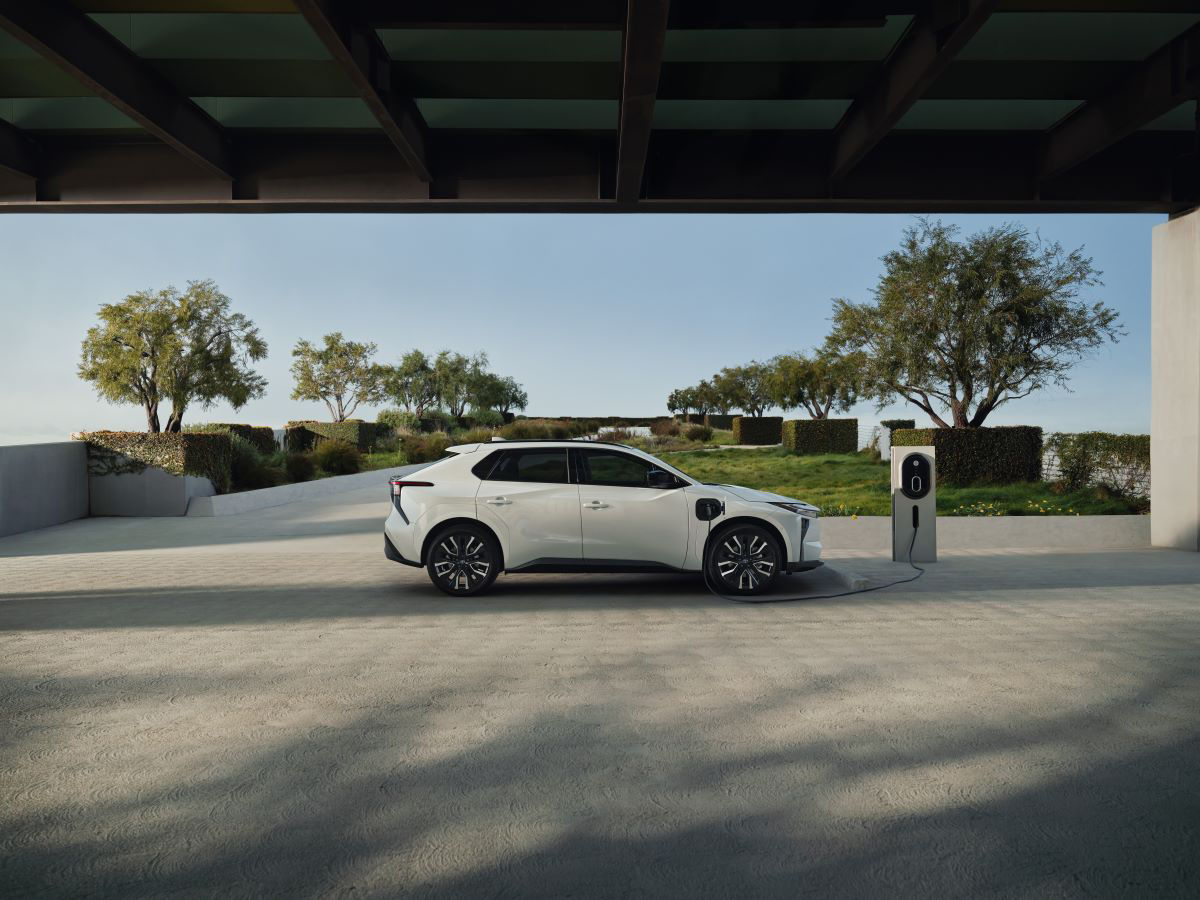
2026 Prius PHEV Charging

What is a Battery Electric Vehicle?


Well, you can say goodbye to gas! Battery Electric Vehicles (BEV) like the bZ , C-HR, bZ Woodland, and the all-new, all-electric Highlander run on electricity alone, with no exhaust coming from the tailpipe. A large onboard battery contains all the electricity needed to power these vehicles; however, you must charge the battery to use its full EV range.

Best choice: If you want to go all-electric and have reliable access to Level 1 or 2 charging at home or Level 3 public charging stations.

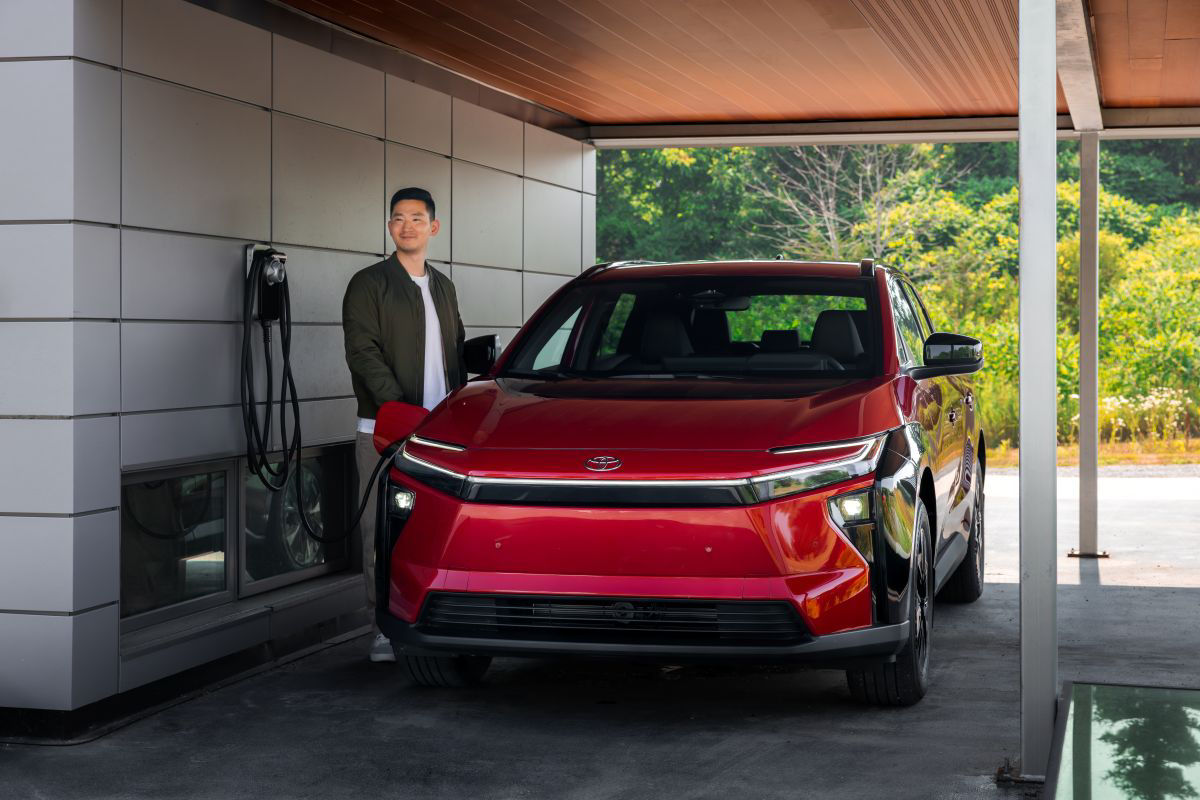
Toyota bZ charging

How Do Hybrid, Plug-in Hybrid and Battery Electric Vehicles Compare?


The main difference between Battery Electric Vehicles (BEVs), Hybrid Vehicles (HEVs), and Plug-in Hybrid Vehicles (PHEVs) is how they are powered and how they charge.
 

Hybrid vs Battery Electric Vehicles


The key difference is that Hybrid Electric Vehicles use both gasoline and electricity to improve fuel efficiency, while Battery Electric Vehicles run on electricity and require charging instead of refueling with gasoline.

A Hybrid sedan, SUV or truck is a great option for versatility. For starters, it reduces fuel costs all while lowering emissions. By having two sources of power working together, you never have to stop to plug-in. A Battery Electric Vehicle on the other hand, offers smooth performance, emission-free driving, a quiet ride, and instant acceleration. You will save on fuel costs and with the added bonus of Canadian government EV incentives and rebates through the Electric Vehicle Affordability Program (EVAP), where applicable.
 

Hybrid vs Plug-in Hybrid Vehicles


The main difference between a Hybrid and a Plug-in Hybrid Vehicle is the size of the battery and how it can be charged. Both use a combination of a gasoline engine and electric motor, but a PHEV has a larger battery that can be charged using an external power source, allowing it to drive farther on electric power alone. The powertrain on HEVs works automatically, so no need to change anything about the way you drive or refuel, while Plug-in Hybrid Vehicles can be plugged in offering electric-only driving range ideal for daily commuting.
 

Plug-in Hybrid vs Battery Electric Vehicles


The main difference between PHEVs and BEVs is their power source. Plug-in Hybrid Vehicles can drive on electricity but also have a gas engine for added flexibility, while Electric Vehicles run exclusively on electricity and require plugging in to charge.

PHEVs offer enhanced driving performance and the ability to travel faster and further in EV-mode than conventional Hybrid Vehicles. BEVs must be plugged in to achieve a full charge. For those looking to save on gas and reduce their carbon footprint, BEV’s are a great option. Without a combustion engine or transmission, BEVs have fewer mechanical components. The regenerative braking reduces brake pad wear, further lowering service and maintenance costs.
 

Summary of Key Differences Between Electrified Powertrains


Hybrid


Plug-in Hybrid

Battery Electric

Power Source


Gas engine + Electric motor


Gas engine + Electric motor

Fully Electric motor

Charging

No plugging in required to charge

Level 1 or 2 charging

Level 1, 2 or 3 EV charging

Gasoline Needed


Yes


Yes, after electric range is used


No


Est. All-Electric Driving Range

No electric range

Toyota PHEVs have
an average of
(64-89) km

Toyota BEVs have
an average of
(350-496) km[¹]

Tailpipe Emissions

Lower emission
than gas-only vehicles

Less fuel, lower emissions

Emissions-free

How to Choose the Powertrain that Works for You?

  • If you already have one in mind, fully customize your dream Toyota here!
  • If you need help choosing a powertrain, this will ultimately come down to 3 things: your daily routine, driving habits, and charging availability. 


  If you…


Best Choice


Want maximum convenience and no charging


HEV


Want the best of both worlds and can charge at home


PHEV


Have EV charging access at home


BEV and PHEV


You take frequent, long road trips and prefer not to map out charging stations or wait for charging


HEV


Want to reduce fuel use without going all-in


PHEV


Care most about zero emissions


BEV


Like the idea of electric driving but with the backup of a gas engine


PHEV


You prefer instant torque, quiet ride, and smooth acceleration unique to electric drivetrains


BEV

Finding the Best Electrified Vehicle for You


Toyota is committed to the vision of sustainability by having different electrified solutions for every mobility need. Our continued goal is to offer Electrified Vehicles that effortlessly fit into your life, providing the same confidence and reliability drivers have experienced for over two decades. With our breadth of lineup, you can rest assured there is an electrified journey for you.

With fluctuating gas prices, many drivers are looking to make the switch to electric and gain independence from fully relying on fuel. However, with so many Electrified Vehicles in the Toyota lineup, how do you choose one that fits your lifestyle? With an array of Electrified SUVs, sedans and trucks, you can now choose from more than 20 unique models including the Prius, Prius Plug-in Hybrid, Corolla Hybrid, Camry Hybrid, Crown, bZ, Corolla Cross Hybrid, RAV4, RAV4 Plug-in Hybrid, Crown Signia, Highlander Hybrid, Grand Highlander Hybrid, Sequoia, 4Runner, Land Cruiser, Sienna, Tacoma Hybrid, Tundra Hybrid, C-HR, bZ Woodland, and the all-electric Highlander.

Build and Price your next vehicle here
 

Toyota Electrified Lineup of Hybrid, PHEV and Electric Vehicles

FAQs


Do Hybrid cars need to be plugged in to charge?

No, the hybrid battery recharges on the go through regenerative braking and never needs to be plugged in to charge.

Can a Plug-In Hybrid Vehicle run without charging?

Yes, plug-in hybrid vehicles can run without charging, with both a gas engine and electric motor. When the hybrid battery runs low, you can continue driving till you find a charging station.

Are there any EV government incentives in Canada?

Yes, the new Electric Vehicle Affordability Program (EVAP) encourages Canadians to buy or lease affordable Plug-In Hybrid and Electric Vehicles by offering incentives for transactions with a final value of $50,000 or less[2].

Which Electrified Vehicle is better for long-distance driving?

All powertrains can manage long-distance trips, however, BEVs require planning your journey to identify charging stations along your route.

Is there any additional warranty for Toyota Battery Electric Vehicles?

Yes, on top of the basic coverage, Toyota offers (60 months/100,00 km*) powertrain warranty, (96 months/160,000 km*) BEV specific components warranty[3], and (96 months/160,000 km*) electric vehicle battery warranty and electric vehicle battery capacity warranty[4].

Is a Hybrid or Plug-in Hybrid better for city driving?

If you have access to home or workplace charging, a Plug-in Hybrid is great for city driving. If you don’t have access to daily charging, a Hybrid Vehicle is a better choice. 


Disclaimers:

[1] 2026 bZ NRCan-estimated 468 km total driving range for 2026 bZ XLE AWD, 436 km total driving range for 2026 bZ LTD AWD and 380 km total driving range for 2026 bZ XLE FWD when vehicle is fully charged (100%) and operated under ideal driving conditions and at external air temperatures generally between 20-30 degrees Celsius. This information is intended for comparison purposes only, and is not specific to any individual vehicle. In sub-ideal conditions, actual range will decrease significantly depending on driving and charging habits, driving speed, outside temperature, weather, accessory use, how/where you drive, cargo load, vehicle and road condition, and other factors. Battery capacity also decreases with time and use which will reduce range. See www.nrcan.gc.ca and Owner’s Manual for details.

[2] For qualifying transactions that meet the Electric Vehicle Affordability Program (EVAP) eligibility criteria. The Government of Canada EVAP provides an incentive towards the purchase or lease of a new clean energy vehicle. Click here to learn more about the Government of Canada EVAP, eligibility criteria, or visit your preferred Toyota dealer.

[3] *Whichever comes first. Includes: Transaxle, Inverter with Converter

[4] *Whichever comes first. Battery Capacity warranty coverage is applied to battery capacity below 70% of original capacity.