Just a few decades back, virtually all vehicles were powered by a traditional gasoline engine. More recently, to provide drivers with more options in clean and efficient motoring, vehicles have been arriving powered by varying combinations of gasoline and electricity, next-generation advanced gasoline engines, or exotic fuel sources that may one day become mainstream.
Toyota has been there through it all: from the early days of internal combustion engines, to the introduction of hybrid cars, to the more recently popularized genre of electric and partially electric motoring, to future technologies, like hydrogen.
By continually innovating, researching and enhancing the ways drivers get around, Toyota is working to ensure that shoppers have a multitude of choices in how they power their voyages, with an eye for reduced impact on the environment around them.
The following is a look at some of the terminologies and nomenclature around some of the most advanced powertrains on the road now, and some that are coming soon.
Gasoline Power: The traditional gasoline engine has long worked on the principle of capturing energy from the controlled explosion of gasoline within its cylinders. Recent advancements have now allowed engineers to capture more energy using less fuel, and gasoline engines are more efficient than ever. For instance, advanced fuel injection systems like Toyota’s D-4S work in conjunction with advanced engine breathing systems like Valvematic to help go farther and generate more power, while using less fuel and generating fewer emissions.
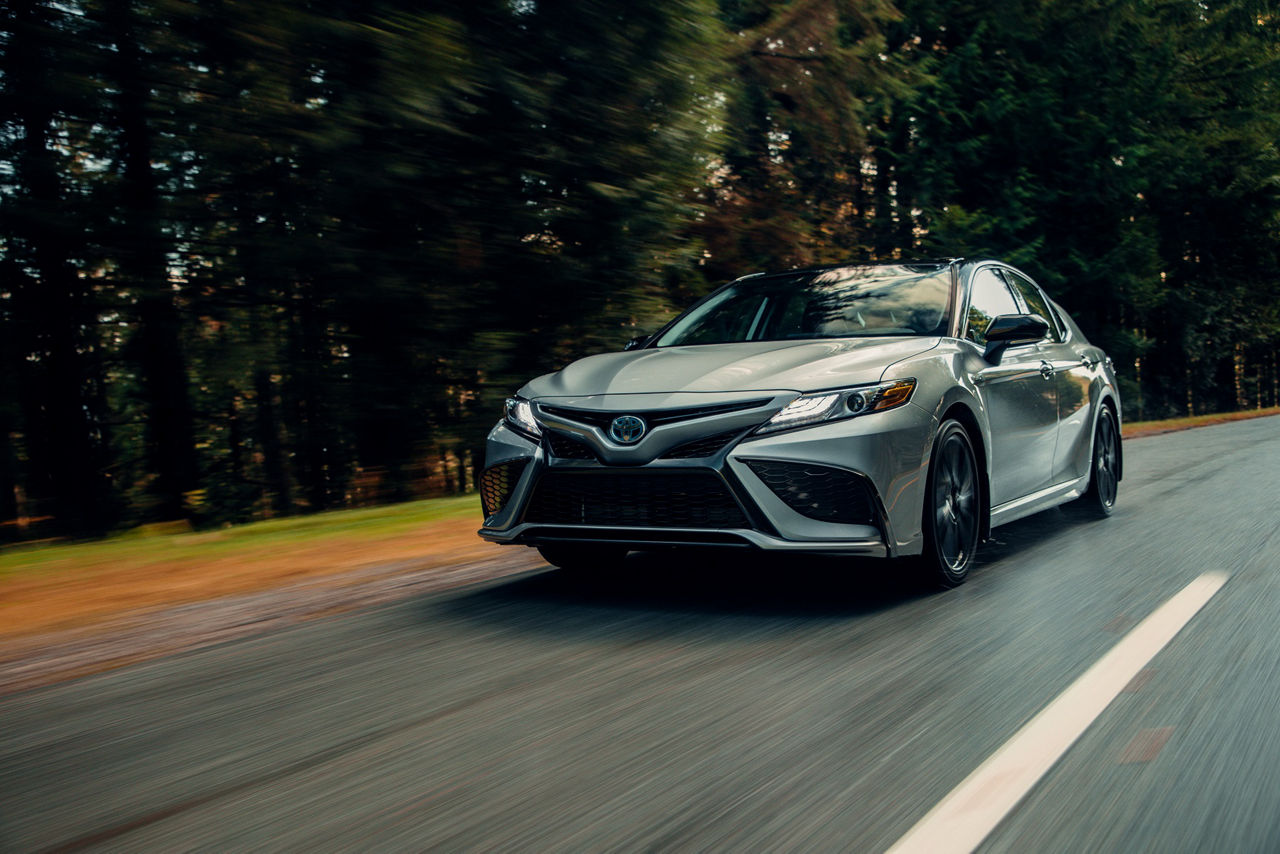
Additionally, Toyota’s latest Dynamic Force four-cylinder engine has arrived, complete with special engineering provisions that enable the safe use of an extremely high compression ratio, common in exotic sports cars. With the high compression ratio, the Dynamic Force engine reaches record-setting heights for efficiency in extracting maximum energy from every molecule of fuel it combusts. Look for the Dynamic Force engine in the new Camry and Corolla.